How to use
Can you fry with extra virgin olive oil?
Fine for sautéing and roasting. For deep frying, something cheaper makes sense.
10 October 2026 · 2 min read
Short answer: yes for sautéing, roasting and everyday cooking at moderate heat. For deep frying at very high temperatures, a cheaper oil makes more sense — not because olive oil is unsafe, but because it is wasteful.
About smoke point
Extra virgin olive oil has a higher smoke point than is often assumed — enough for most home cooking, including sautéing and oven roasting. The myth that it "cannot be heated at all" is not accurate.
More important than smoke point is stability. Oil with low acidity and high polyphenols tends to hold up better under heat than older or lower-quality oil, because the polyphenols themselves slow oxidation.
Where it earns its price
- Drizzled raw after cooking — where the flavour and polyphenols show most
- Softening onions, garlic and spices over medium heat
- Roasting vegetables, fish or chicken in the oven
- Salads, marinades and cold sauces
- Slow cooking such as scrambled eggs or wilted greens
Where it does not
Deep frying uses a large volume of oil at high temperature for a long time, and the oil is often reused. The delicate flavour and polyphenols that make extra virgin expensive are lost in the process, and you are burning money.
Use ordinary cooking oil for that job, and keep the extra virgin for finishing. That is not a compromise — it is how Mediterranean kitchens themselves work.
Malaysian dishes it suits
Olive oil does not have to replace every oil in your kitchen. It makes most sense where its flavour is welcome, or where it stands in for another oil at moderate heat.
- Softening onion, garlic and ginger for a base — over medium heat, not high
- Fried rice, which cooks fast and needs less oil than people assume
- Omelettes and scrambled eggs
- Fish or chicken roasted in the oven
- Stir-fried greens such as kangkung or mustard leaf, at moderate heat
- Soups and porridge — poured in after the heat is off, not during cooking
Where it does not make sense
- Deep frying — fried chicken, keropok, banana fritters
- Very high-heat wok cooking, where the oil smokes almost immediately
- Any cooking that reuses the oil several times
- Sweet dishes where the olive flavour would clash
On that list the issue is cost and flavour, not safety. You would be paying an extra virgin price for something the heat is going to destroy anyway.
Signs the oil is too hot
If the oil begins to smoke, it has passed the point where it should be. Lower the heat, discard that oil and start again — oil that has smoked will give food a bitter, scorched taste.
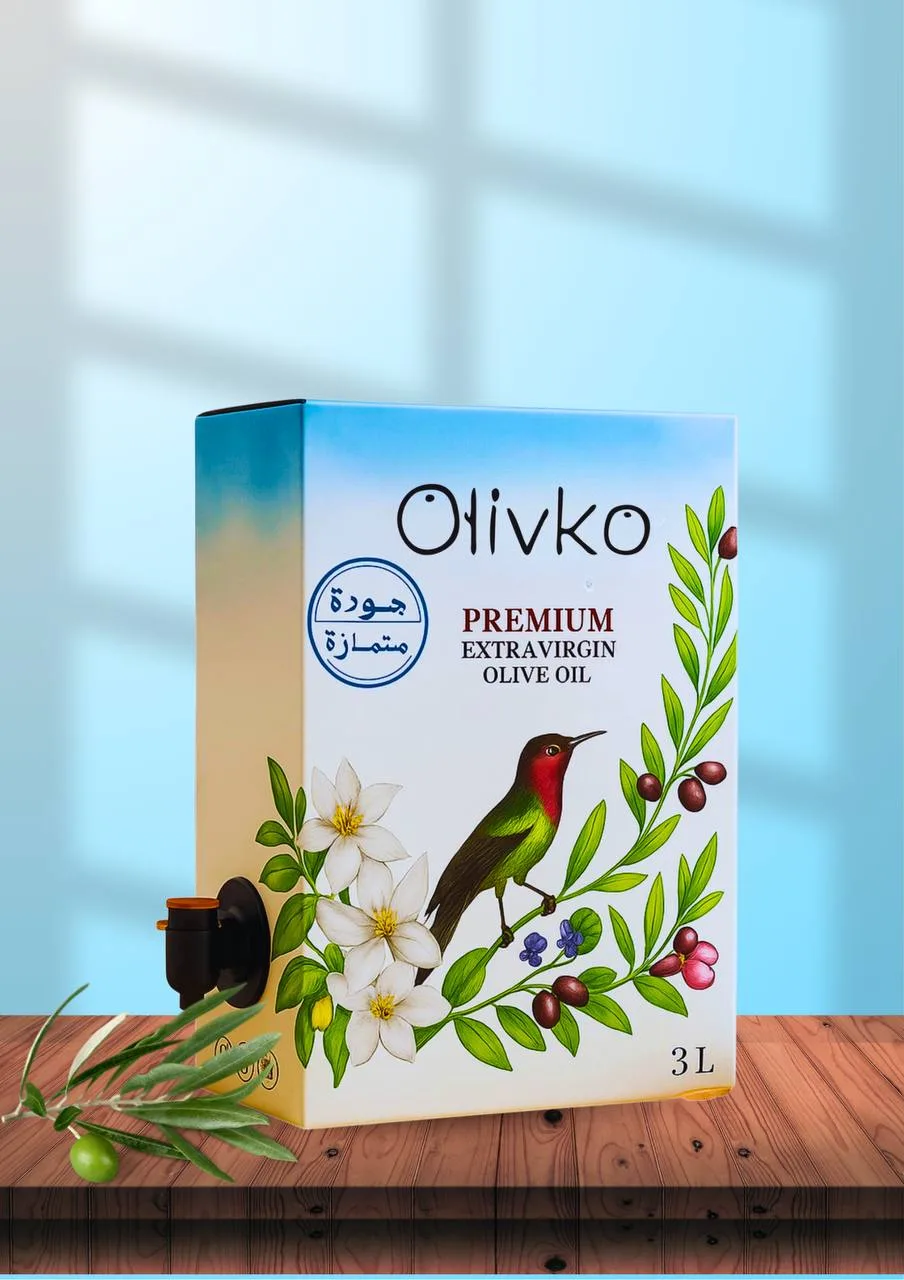
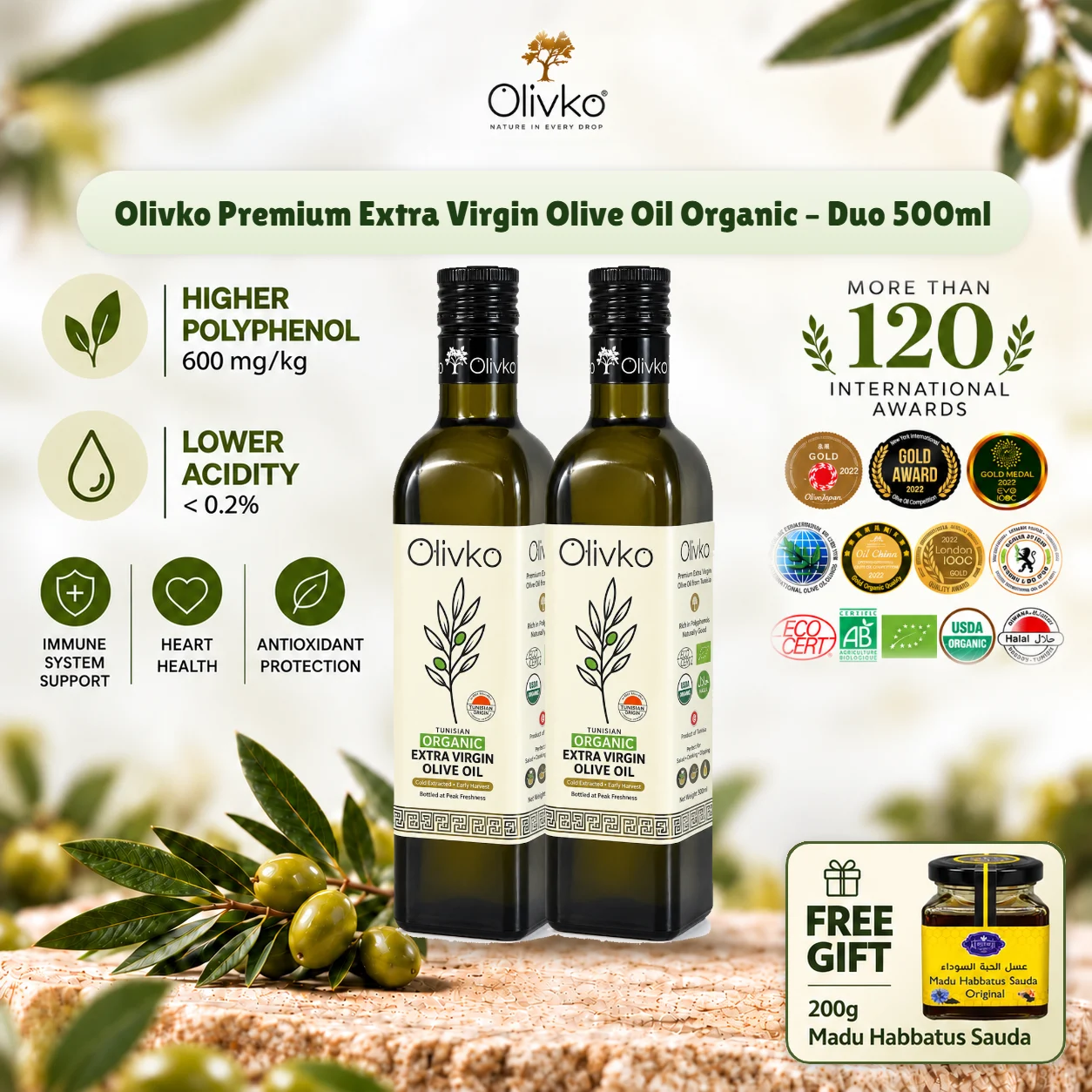
For households that cook a lot, the 3 litre tin works out better for daily use, while a 500ml bottle is kept for raw dishes.