Buying guides
What does organic olive oil mean?
"Organic" on a label only means something if a body verified it.
10 October 2026 · 2 min read
Organic is not a claim about flavour, and not a claim about nutrition. It is a claim about method. It tells you how the olive trees were grown and how the oil was handled — and unlike most words on a label, it can be audited.
What it actually governs
- No synthetic pesticides or fertilisers in the grove
- Soil and water management to a written standard, not to the grower's discretion
- Separation from non-organic produce through harvest, transport and processing
- Records traceable from a specific grove to a specific bottle
- Periodic audit by an independent certifying body, not self-inspection
The conversion period
One thing rarely explained: a grove cannot become organic overnight. The major standards set a conversion period of several years during which the land must be managed under organic rules before the crop can be sold as organic. This is part of why organic olive oil costs more — the cost begins years before the first bottle is sold.
The bodies that carry weight
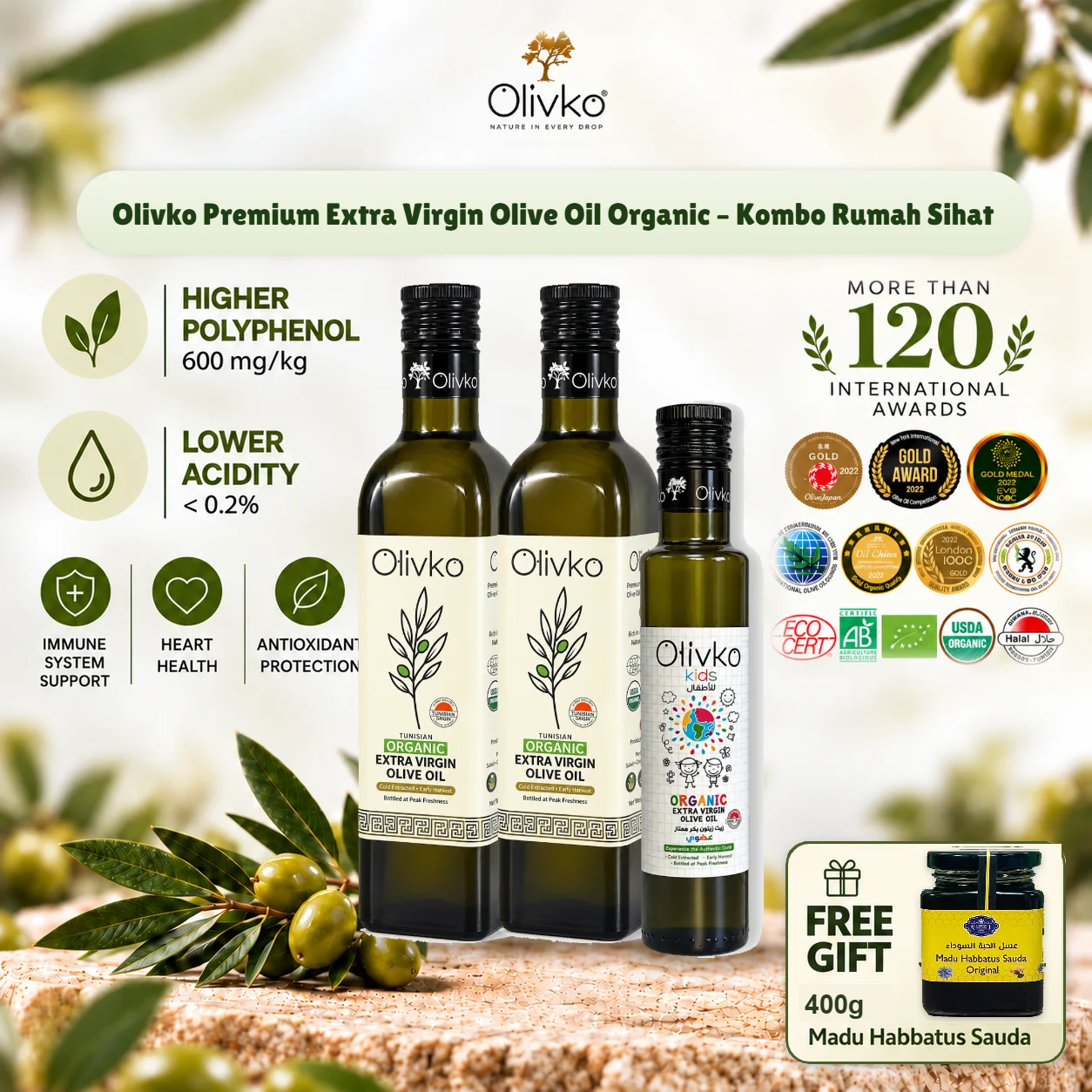
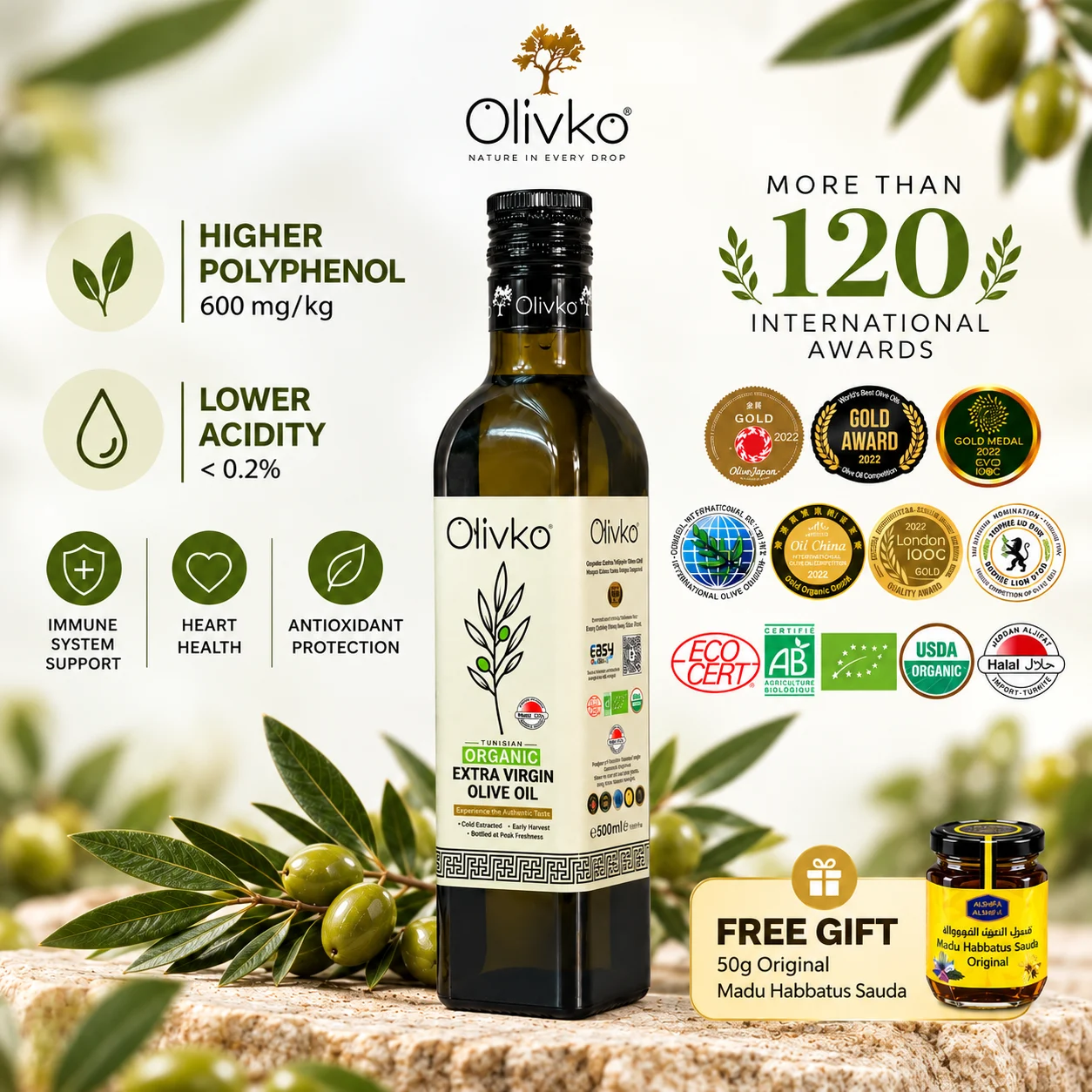
Ecocert, USDA Organic and EU Organic each have a written standard and an audit process behind them. The word "organic" without one of these is backed by nothing, and in many markets it is not legally protected for an imported product.
Organic is not the same as good
This is the most common confusion. Organic tells you how the fruit was grown. It does not tell you when it was picked, how quickly it was pressed, or whether the oil meets the extra virgin standard. An oil can be organic but poor, or excellent extra virgin but not organic.
To judge quality you still need the grade and the laboratory numbers — free acidity above all. The two labels answer two different questions, and you want both.
How to check an organic certificate yourself
A logo on the bottle is a starting point, not a verification. Anyone can print a logo. What makes it mean something is the number behind it.
- 1.Find the certifying body named on the label — Ecocert, for instance — not just the word "organic"
- 2.Look for the certificate code or number alongside it
- 3.The major certifiers maintain searchable databases of the operators they certify
- 4.If a seller cannot tell you who issued the certificate, treat the claim as unsupported
Does organic mean fewer pesticides
Organic standards restrict synthetic pesticides and fertilisers, and that is what gets audited. It does not mean zero inputs, because certain naturally derived substances are permitted under those rules.
We put it precisely because the distinction matters. "Managed under an audited organic standard" is a claim we can support. "Chemical free" is not, and we will not write it.
Olivko holds Ecocert, USDA Organic and EU Organic certification, and is extra virgin with a free acidity of 0.18% on ONH Tunis report N° 2025B1064.