For businesses
Buying olive oil wholesale for restaurants and retailers
Sizes, cost per serving, and the paperwork resale requires.
11 October 2026 · 3 min read
Buying olive oil for a business is a different calculation from buying for home. Cost per serving, consistency of supply and documentation matter more than the price per bottle.
Match the size to the use
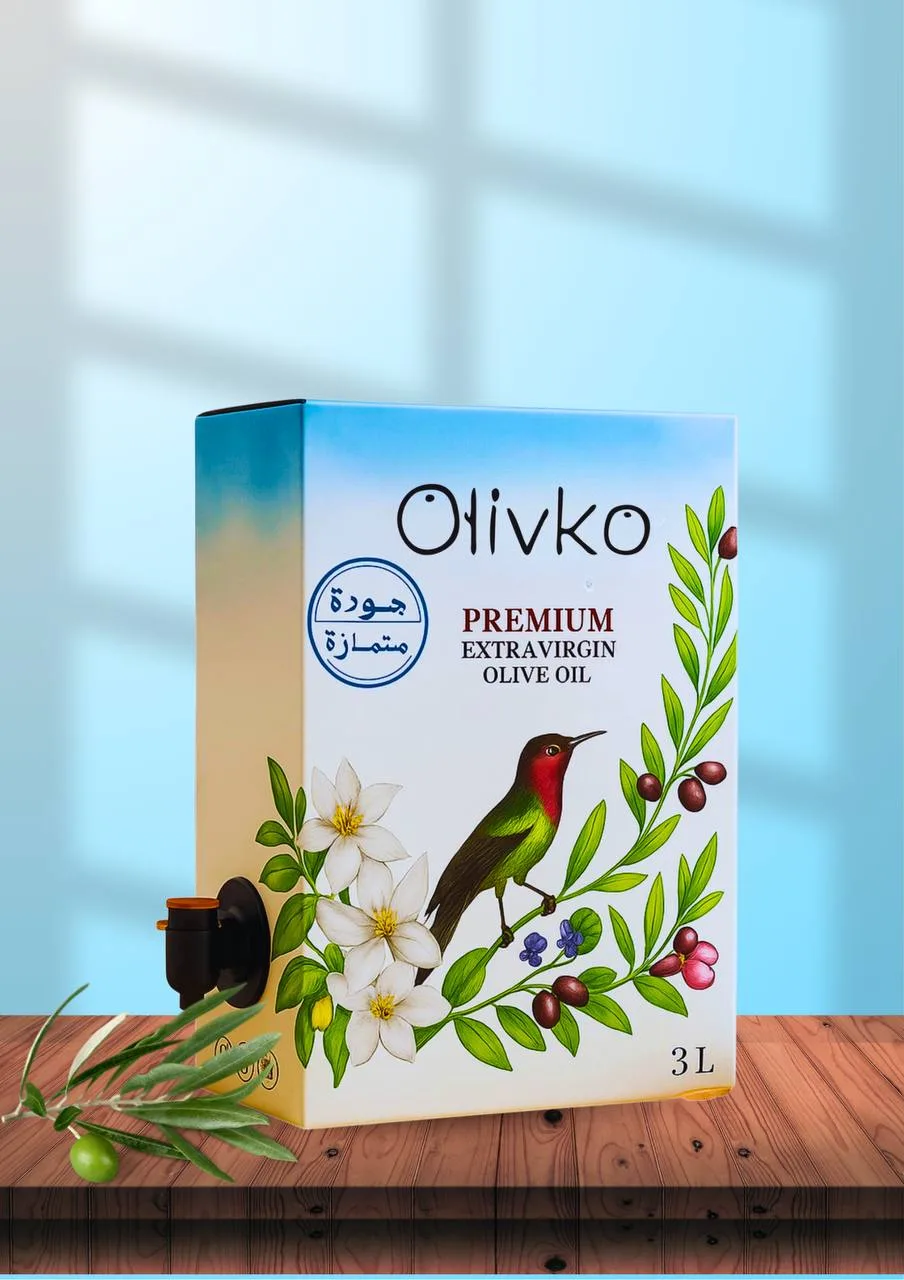
- 3 litre tins for everyday kitchen use — the lowest cost per millilitre, and metal shields the oil from light
- 500ml bottles for raw dishes, salads and plate finishing
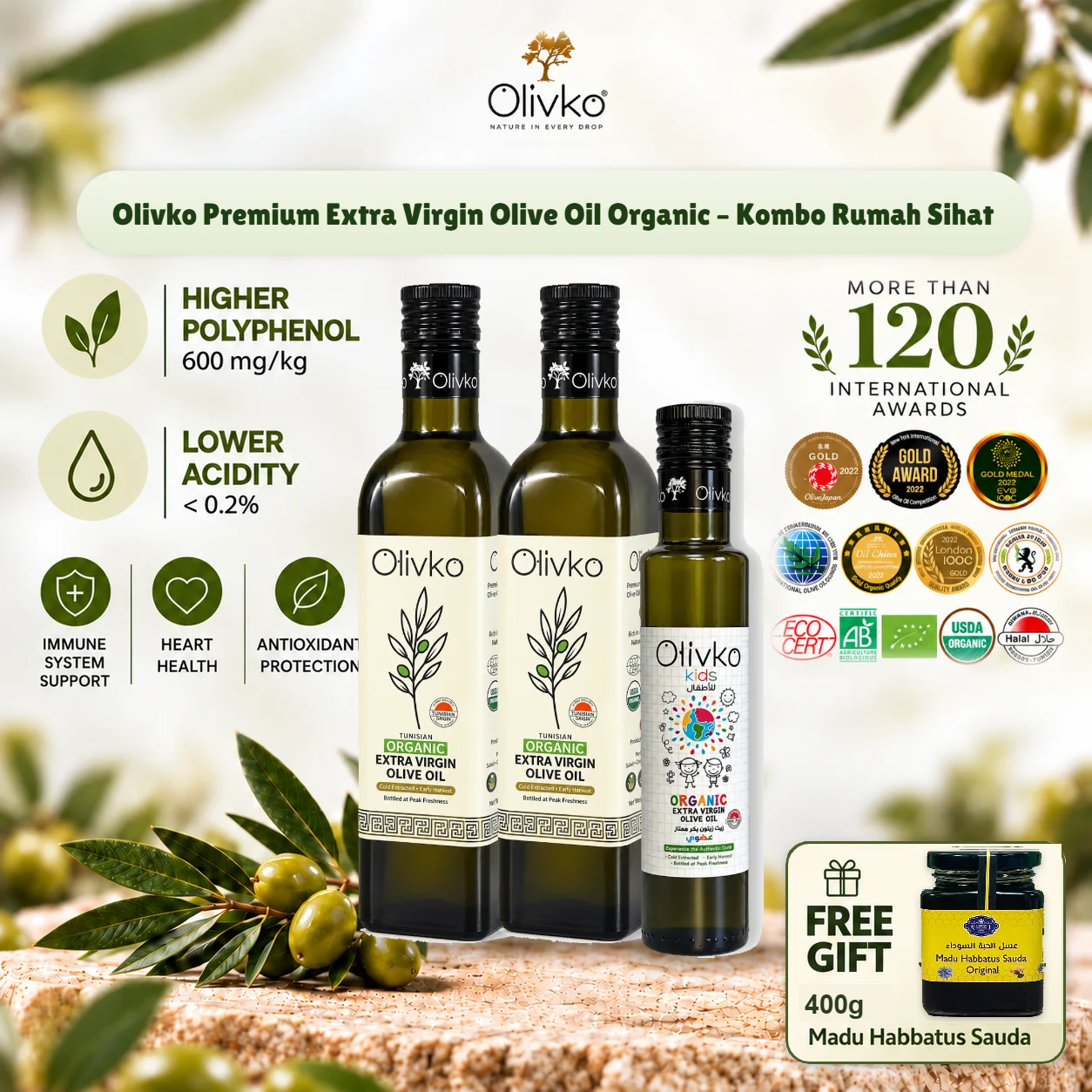
- 250ml bottles for table service, customer gift packs, or as a counter retail line
One practical tip: decant from the large tin into a small bottle for daily use, and keep the tin sealed. Repeatedly opening a large container lets air in, and air is what spoils the oil.
Paperwork worth asking for
- A laboratory report for the current batch, not just a marketing sheet
- A halal certificate naming the issuing body — in Malaysia, recognised by JAKIM
- Food safety certification such as FSSC 22000 or BRCGS for the plant
- Organic certification if you intend to state it on your menu
- Evidence of official importer status, if you are reselling a branded product
Why grade matters on your menu
If your menu says "extra virgin olive oil", the product must genuinely be extra virgin. The "pure" and "light" grades are refined oil and cannot be described that way. This is not merely technical: it is a representation to your customers, and a laboratory report is how you evidence it if asked.
Working out cost per serving
Price per bottle is the wrong figure for a commercial kitchen. The useful one is cost per serving, and the arithmetic is simple: divide the container price by its volume in millilitres, then multiply by the millilitres used per plate.
As a rough guide, a tablespoon is about 15ml and a teaspoon about 5ml. A dressed salad uses roughly a tablespoon; a finishing drizzle uses a teaspoon or less. Once you see it per plate, the price gap between grades is usually smaller than it looks on the shelf.
The same sum shows where extra virgin earns its place and where it does not. For deep frying in volume, the cost per serving climbs and the flavour is lost to the heat anyway. For finishing, dressings and raw dishes, the cost is small and the flavour is the thing the customer actually notices.
Storage in a commercial kitchen
- Keep stock in a cool store, not on a shelf beside the stove
- Decant into small bottles for service, and reseal the tin
- Label decanted bottles with the date they were filled
- Rotate stock in the order it arrived, rather than taking whichever tin is nearest
- Do not keep bottles beside the fryer or the salamander — sustained heat degrades oil faster than anything else
Consistency of supply
For a kitchen, switching oil mid-season means switching the taste of your dishes. Ask a supplier how often stock is replenished and whether the oil comes from a single source. Oil blended across several countries can change flavour between batches without warning.
Olivko is imported into Malaysia by Easy Global Ventures Sdn. Bhd. For wholesale pricing and larger volumes, contact us directly.